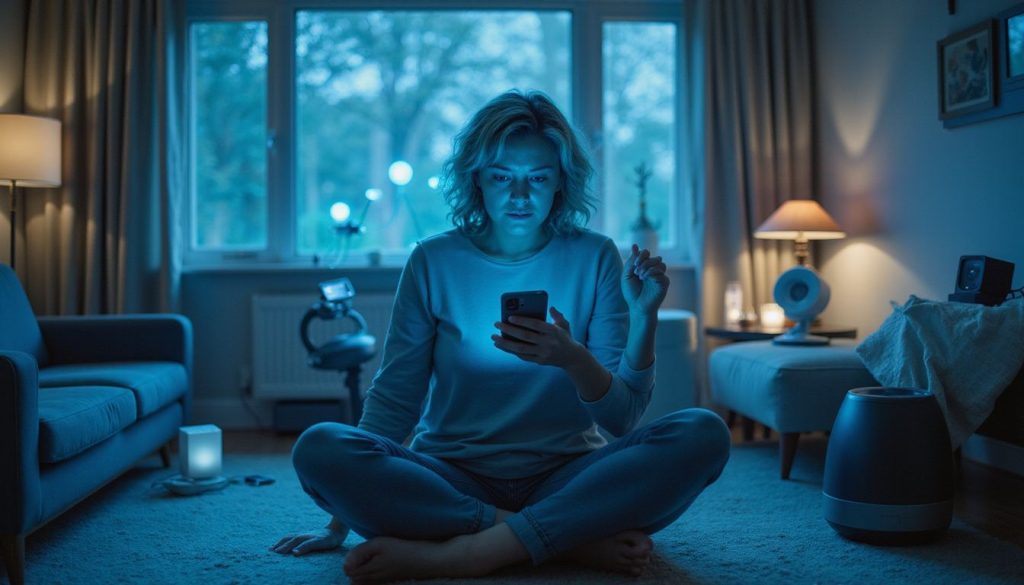
Smart home devices collect large amounts of personal information. Cameras, smart speakers, thermostats, and doorbells send data to cloud servers. Weak passwords, outdated firmware, and unsecured networks create vulnerabilities that hackers exploit.
Companies may use that data for profiling or advertising. Poor device encryption and vague privacy policies can give third parties access. Authentication failures raise surveillance risks.
Use strong, unique passwords and enable multi-factor authentication. Update firmware and install security patches on time. Disable unused features and limit app permissions. Encrypt device storage and use network security like WPA3 and firewalls.
Put IoT devices on a separate network and monitor connected devices. Pick smart technology from reputable brands with clear privacy policies, user consent controls, transparent logging, and built-in data protection.
**Introduction**
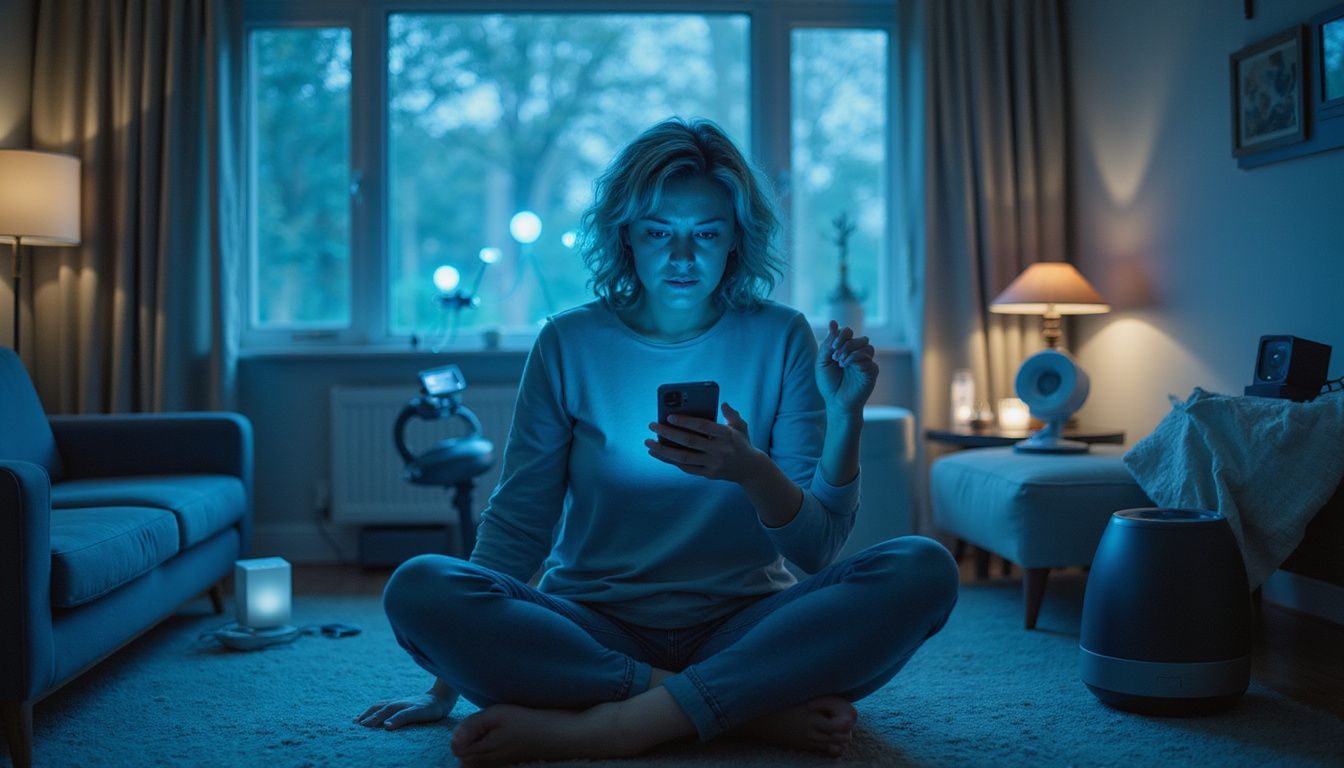
Many people worry that smart home devices might share their private information without permission. In fact, some studies show that these gadgets can collect and send data even when you’re not using them. This post explains the common risks and gives you easy steps to protect your privacy at home. Find out how to keep your information safe indoors.
Key Takeaways
- Smart home devices have grown quickly in the last decade, with the global market reaching hundreds of billions of dollars by 2023. These devices control lights, security, and appliances but often collect personal information.
- Weak passwords, outdated firmware, and unsecured networks make smart homes easy targets for hackers. Using strong and unique passwords plus enabling multi-factor authentication helps reduce these risks.
- Many IoT devices gather more data than needed. Some even ask for unnecessary permissions like access to contacts or location. Limiting app permissions protects your privacy from unwanted surveillance or profiling.
- Regularly updating device software and firmware is critical. Companies release patches to fix vulnerabilities that hackers may use to access your data.
- Choose smart home products from reputable brands with clear privacy policies and regular updates. Staying informed about new threats and practicing good network habits keeps your household safer.
Brief overview of the rise of smart home devices

Smart home devices have surged in popularity over the last decade. Consumers embrace this technology for its convenience and automation. By 2023, the global market for smart home devices has reached hundreds of billions of dollars.
Homeowners use these gadgets to control lighting, security systems, and appliances through their smartphones.
This growth also raises concerns about privacy risks. Many smart devices collect personal information that hackers can exploit. Cybersecurity experts warn about data breaches and unauthorized access to sensitive details.
As homeowners continue adopting these Internet of Things (IoT) products, understanding the associated vulnerabilities becomes essential for safeguarding privacy.
Why privacy is a growing concern for consumers

Smart home devices have become part of daily life for many people. However, these technologies come with privacy risks that worry consumers. Many smart devices collect personal information, raising questions about data security.
Reports show that hackers can exploit common vulnerabilities in IoT devices to access sensitive data. Unauthorized access and surveillance add to the concern. Consumers feel anxious about how their information might be used without their consent.
Weak passwords and outdated firmware increase these risks significantly. Many users still rely on easily guessable passwords or repeat them across multiple platforms. Insecure networks also leave homes vulnerable to cyber threats, making it easier for intruders to steal personal data or spy on families through connected cameras and microphones.
As technology continues advancing, consumer awareness of privacy issues will remain crucial in creating a safer environment at home.
**Understanding Privacy Risks in Smart Homes**

Smart home devices often collect and store personal information. They can expose users to risks such as hacking and unauthorized access to sensitive data.
Common vulnerabilities in smart devices and data collection

Smart devices often have weak security features that make them vulnerable to cyber attacks. Many users rely on simple passwords or even reuse credentials across multiple accounts. These habits leave doorways open for hackers, compromising personal information.
Data collection practices also raise concerns about privacy. Smart technologies frequently gather more data than necessary, causing risks of unauthorized access and surveillance. Users may unknowingly consent to excessive data sharing when they set up their devices without fully understanding the privacy policies involved.
Staying aware of these vulnerabilities is crucial for enhancing network security in smart homes.
Threats: hacking, unauthorized access, data profiling, surveillance

Common vulnerabilities in smart devices and data collection lead to serious threats. Hackers often exploit these weaknesses, gaining unauthorized access to your personal information.
This can happen easily if you use weak passwords or outdated firmware. Once inside, hackers can create detailed profiles of users based on collected data.
Surveillance is another growing concern. Many smart home devices continuously monitor activity and collect sensitive information without clear consent from users. Unauthorized parties may exploit this data for various purposes, raising significant privacy risks in our homes.
Such actions threaten not just individual privacy but also the security of entire networks connected through IoT devices.
**Key Factors That Increase Privacy Risks**

Many users choose weak passwords or reuse their credentials across different accounts. Outdated firmware and unsecured networks create serious vulnerabilities that hackers can exploit.
Weak passwords and reused credentials

Weak passwords and reused credentials create serious privacy risks for smart home devices. Many users choose simple passwords or use the same one across multiple accounts. This makes it easy for hackers to gain unauthorized access.
Once a hacker breaks into one device, they can often access others with the same password.
To protect personal information, use strong and unique passwords for each device and account. Consider using a password manager to keep track of them securely. Enabling multi-factor authentication adds another layer of security as well.
Understanding these vulnerabilities in IoT devices is crucial for protecting data against potential threats like hacking and surveillance.
Outdated firmware and unsecured networks

Weak passwords and reused credentials make smart devices more vulnerable. Outdated firmware also contributes to these risks. Smart home devices often rely on regular updates to fix security issues.
Many users neglect this important step, leaving their devices exposed.
Unsecured networks amplify these vulnerabilities. Hackers can easily exploit weak Wi-Fi security to access connected devices. They may steal personal information or take control of your system.
Keeping your network secure is vital for protecting privacy in the age of IoT devices.
Excessive device permissions and unnecessary data sharing

Outdated firmware and unsecured networks can directly lead to excessive device permissions and unnecessary data sharing. Many smart home devices ask for more access than they truly need.
For instance, a light bulb might request permission to access your contacts or location, which does not enhance its performance.
Over-sharing data raises privacy risks significantly. Hackers can exploit these weak points to gather personal information without consent. Users should review app permissions regularly and limit access wherever possible.
Prioritizing device encryption also helps protect sensitive data from surveillance and unauthorized access.
**Effective Strategies to Protect Your Privacy**

Using strong, unique passwords helps secure your smart devices. Regularly updating firmware keeps software protected from the latest threats.
Using strong, unique passwords and enabling multi-factor authentication

Choose strong and unique passwords for each of your smart home devices. A complex password combines letters, numbers, and symbols to improve security. Avoid using easily guessed information like birthdays or names.
Enabling multi-factor authentication adds an extra layer of protection. This method requires two forms of verification before granting access.
Many hackers target weak passwords to gain unauthorized access to IoT devices. By employing these strategies, you can significantly reduce the risk of surveillance and data theft. Protect personal information from falling into the wrong hands and ensure a safer smart home environment with better network security practices in place.
Regularly updating device firmware and software

Updating device firmware and software regularly is crucial for maintaining privacy. Smart devices often receive updates that fix security vulnerabilities and enhance performance. Hackers exploit these weaknesses to gain unauthorized access to your personal information.
Most companies release patches frequently to improve data security. Ignoring these updates leaves your devices open to cyber threats. Ensure you enable automatic updates whenever possible, or check for them regularly.
Taking these steps helps protect your smart home from potential breaches and keeps your data secure. Next, let’s explore how weak passwords can increase privacy risks in smart homes.
Disabling unused features and limiting data access

Disabling unused features on smart home devices reduces privacy risks. Many IoT devices come with extra capabilities that users may not need. These features often require data collection, creating opportunities for hackers and increasing surveillance threats.
Limiting data access also plays a crucial role in protecting personal information. Review the permissions your devices request. Reject unnecessary data sharing requests to minimize exposure of sensitive details.
Use device encryption to further enhance protection against cyberattacks and unauthorized access.
Segmenting your network and monitoring connected devices

Disabling unused features and limiting data access helps secure your smart devices. Segmenting your network adds another layer of protection. Create separate networks for different types of devices, like IoT products or computers.
This step isolates potential breaches, reducing the risk to sensitive personal information.
Monitoring connected devices keeps you informed about any unauthorized activity. Regularly check which devices connect to your network. Look for unknown devices and remove them if necessary.
Use device encryption to protect data in transit. A well-managed home automation system enhances overall cybersecurity, making it harder for hackers to exploit vulnerabilities.
**Building a Safer Smart Home for the Future**

Choose smart home devices from trusted brands. These brands often provide clear privacy policies and regular updates to enhance security.
Choosing devices from reputable brands with clear privacy policies

Select smart home devices from trusted brands. Reputable companies prioritize user privacy and offer clear privacy policies. These policies explain how they collect, store, and use your personal information.
Look for brands that encrypt data to enhance security.
Many well-known brands implement strong cybersecurity measures. They regularly update their firmware to protect against vulnerabilities. This ongoing commitment helps reduce risks of unauthorized access and hacking incidents in IoT devices.
Users can feel more secure knowing these precautions are in place.
Staying informed about new threats and security best practices

Choosing devices from reputable brands with clear privacy policies remains essential. This choice helps ensure better protection against emerging risks. Regularly check updates about new vulnerabilities in IoT devices.
Security experts constantly discover new threats that can impact your smart home setup.
Stay current with cybersecurity news and best practices for device management. Follow trusted sources for information on encryption methods and authentication techniques. Monitoring connected devices lets you spot unauthorized access quickly; take action as soon as you notice unusual activity.
Your privacy relies on staying informed in a world where the landscape continually changes.
The importance of ongoing vigilance and consumer education

Ongoing vigilance is crucial for protecting privacy in smart homes. Consumers should actively seek knowledge about the cybersecurity risks that come with IoT devices. Awareness helps users identify potential vulnerabilities, such as weak passwords or outdated firmware.
Educated consumers can take action to secure their personal information against threats like hacking and surveillance.
Regularly updating oneself on new privacy policies and best practices keeps individuals informed. Understanding device permissions assists users in limiting unnecessary data sharing.
Engaging with reliable sources of information empowers consumers to make safer choices regarding home automation technology. The smarter the consumer, the safer their smart home becomes.
FAQs
1. What privacy risks do smart home devices pose?
Smart home devices, part of the IoT Internet of Things, can have security vulnerabilities. Hackers can use those vulnerabilities to access personal information. They can enable unwanted surveillance and harm your privacy.
2. How can I secure my devices and boost data security?
Use strong authentication and enable device encryption when you can. Keep network security tight, and follow basic cybersecurity steps like strong passwords. These steps cut the risk of hacks and protect data.
3. What role do privacy policies and user consent play?
Privacy policies tell you how makers handle personal information. Read them and give clear user consent for data use. Limit what the devices share in home automation and smart technology settings.
4. How do firmware and software updates help reduce risk?
Firmware updates fix known vulnerabilities in IoT devices. Install updates fast to block hacker access. Regular updates are a key part of cybersecurity and risk mitigation.
5. Do smart devices enable surveillance and data collection?
Yes, many IoT devices collect data and can record in-home activity. This can create surveillance risk if data security is weak. Control data sharing and check device settings to limit data collection.
6. What practical steps cut privacy risk for smart homes?
Use multi factor authentication and strong, unique passwords. Put devices on a separate guest network and enable device encryption. Update firmware, read privacy policies, and limit data sharing. These actions improve network security and lower IoT vulnerabilities.