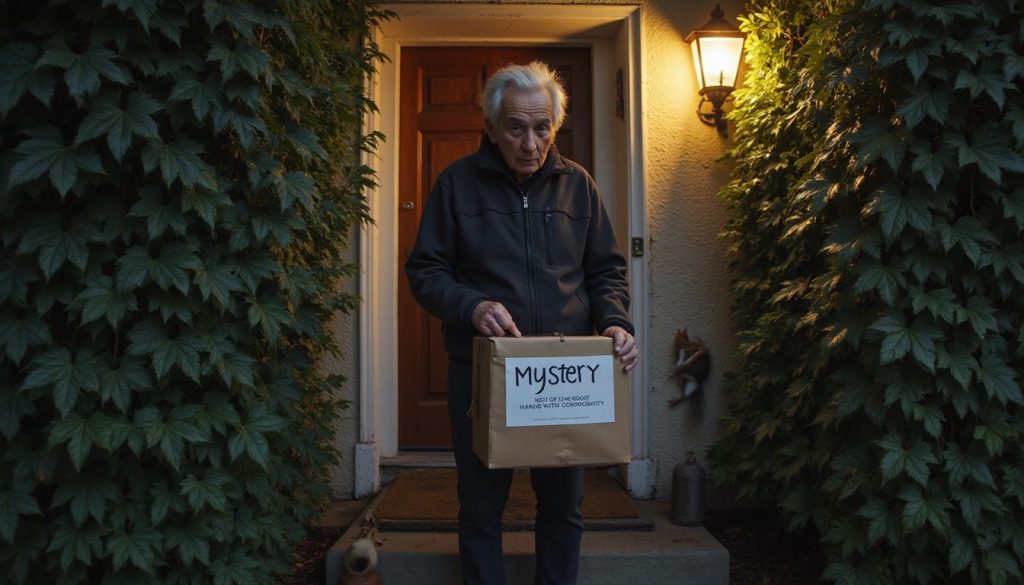
Your home address can show up online in many places. Public records, data brokers, and even your social media posts can cause an information leak. Sometimes companies you buy from may share or sell your personal information without you knowing.
People finder sites collect these details and list them for anyone to see.
Leaks like this put your privacy at risk and open the door to identity theft or scams. Simple actions help protect your data, such as locking down your accounts and opting out of data broker lists.
Using secure networks also keeps your personal information safe from cyber threats and helps with privacy protection.
Introduction: Why Your Address Matters and Why It’s at Risk
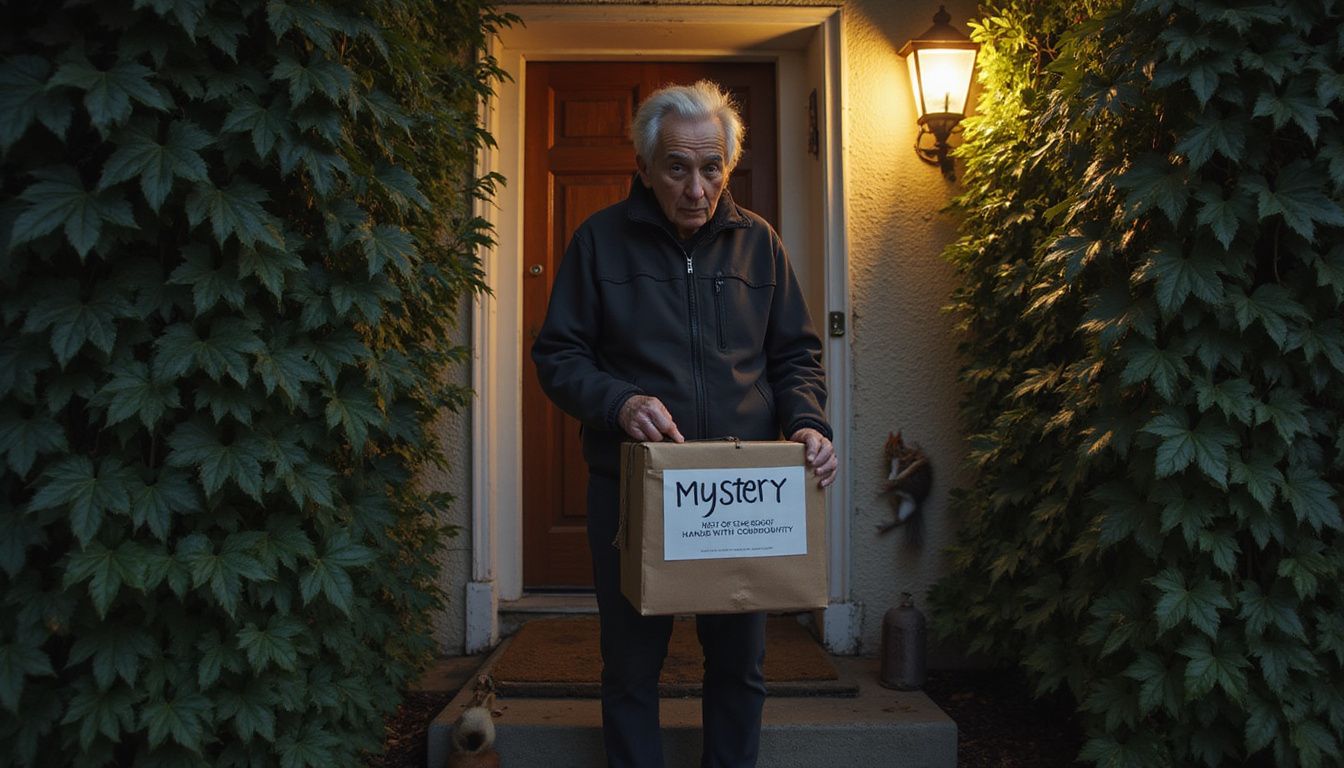
Your home address is a big part of your personal privacy, but it can end up on the internet without you even knowing. Maybe you’ve started getting letters from strangers or odd packages at your door. You might have noticed new scam calls, and now you’re worried about how much someone knows about where you live.
A recent study found that over 90% of Americans have their address visible online through public records or people finder websites. This puts you at risk for scams, stalking, and identity theft—even if you’re careful with your information elsewhere.
This blog will show you how addresses leak onto the web, what risks come with these data exposures, and simple steps to protect yourself. Keep reading to find out how to keep your private life private.
Key Takeaways
- Over 90% of Americans have their home address online due to public records and people finder sites. This puts many at risk for scams, stalking, and identity theft. (Source: Recent study mentioned in the article)
- Addresses can leak from public records, online purchases, subscriptions, social media oversharing, and careless app permissions.
- People finder sites like Spokeo and Whitepages collect addresses from many sources. Anyone—including marketers or dangerous strangers—can see your information there.
- You can check if your address is leaked by searching on Google or visiting people finder websites; signs include junk mail with your name or seeing your data in search results.
- Protect yourself by removing personal info from these sites, locking down social media privacy settings, opting out of data broker lists, and using tools that monitor for leaks online.
Brief overview of address leaks and their growing impact on personal security.
Address leaks are becoming a serious problem. Many platforms collect and share personal information without your knowledge. This includes your home address, which can be found in public records and online databases.
Once your information is out there, it can lead to risks like identity theft or stalking.
The impact on personal security is significant. Having your address exposed puts you at risk for scams and unwanted attention. You may feel unsafe in your own home if others know where you live.
Protecting your privacy is more important now than ever as the digital world grows larger each day.
Common Ways Your Home Address Gets Exposed Online

Your home address can slip out in many ways. Public records may show your information without you knowing. Online shopping and subscriptions add to this risk too. Social media can also reveal what you share without thinking.
To learn more about how to protect your address, keep reading!
Public records and government databases
Public records and government databases can expose your home address. Many of these records are available to the public. They include property deeds, court documents, and voter registrations.
Anyone can access this information online or in person.
Data brokers often use these records to gather personal information. They sell this data to companies that want to target you with ads or services. This means your address may end up on various websites without your knowledge.
Address leaks can lead to risks like identity theft and stalking, which can threaten your privacy and safety.
Subscriptions, online purchases, and data brokers
Your address can also leak through subscriptions and online purchases. Every time you buy something or sign up for a service, you often provide your personal information. This includes your name and home address.
Many companies collect this data to improve their services or sell it to data brokers.
Data brokers gather your information from various sources. These include websites, social media, and app permissions. They create profiles based on what they find about you online.
Anyone can access these profiles for different purposes, like marketing or research. Your personal information is at risk of being exposed if it falls into the wrong hands. Protecting your privacy starts with knowing where your data goes after you share it during transactions or subscriptions.
Social media oversharing and careless app permissions
Social media oversharing and careless app permissions can lead to serious privacy issues. Many people share their home address or location online without thinking. This information can attract unwanted attention from strangers or scammers.
Apps often ask for permission to access your data, and not all users consider the risks involved. Always check what apps can see your personal information.
Consider using social media settings wisely. Limit who can view your posts and profile details. Keep in mind that once you post something, it may be out there forever. Protecting your privacy online is crucial for safety against identity theft and other threats related to data breaches.
People Finder Sites and Data Aggregators: How They Collect Your Address

People finder sites and data aggregators gather your address from many sources. They use public records, online purchases, and social media posts to build profiles about you.
How personal data is harvested and displayed
Companies gather your personal data from many places. They get it from public records, online purchases, and even social media. Every time you buy something or sign up for a service, your information can be shared.
This makes it easy for data brokers to build profiles about you.
Some websites display this information for anyone to see. They show your name, address, and sometimes more sensitive details. These people finder sites often sell this data to others.
People use these sites for various reasons, such as finding old friends or checking on someone’s background. Address privacy is important because leaking personal information can lead to identity theft or scams.
Protecting yourself is key in today’s digital world where cyber security matters more than ever.
Who accesses these sites and for what purposes
Many people access data aggregator sites to find personal information. This includes employers, landlords, and even stalkers. They often look for your home address for background checks or to gather insights into your life.
Data brokers and marketing firms also use these sites. They collect your information to create detailed profiles for ads tailored to you. Some may seek this data for scams or identity theft.
Protecting your privacy is key in stopping this misuse of your personal information.
The Risks and Real-World Dangers of an Address Leak

People can find your home address easily if it’s leaked. This puts you at risk for stalking, scams, and identity theft.
Stalking, scams, and identity theft
Stalking, scams, and identity theft are real dangers when your address leaks online. Stalkers can easily find you if they know where you live. This puts your safety at risk. Scammers often use personal information to trick people into giving away money or sensitive data.
They may call pretending to be from a bank or another trusted source.
Identity thieves use leaked addresses for fraud. They open accounts in your name or steal valuable items from your home. You cannot ignore these threats; they can lead to serious damage in your life and finances.
Take action now to protect yourself and keep your private information safe from prying eyes. Next, learn how to detect if your address is already leaked.
Threats to privacy and personal safety
Your home address can be a target for many threats. Identity theft, scams, and stalking are real dangers that come from an exposed address. People with bad intentions may use your information to find you in person.
This can lead to unwanted visits or harassment.
A leaked address puts your privacy at risk. It allows strangers access to details about your life. You might not know if someone is watching you or waiting for the right moment to act.
Staying safe online means protecting your personal information closely. Always think before sharing anything on social media or other sites. Keeping your data private helps keep you secure in this digital age.
How to Detect If Your Address Is Already Leaked

You might see signs that your address is public. Check online databases and search engines to find out if your information is exposed.
Signs your information is public
Signs your information is public can be clear. If you receive junk mail with your name and address, that’s one sign. Another hint is when you find your name on people finder sites or search engines.
You might see ads that use information about where you live.
Check for data breaches too. Websites like Have I Been Pwned let you see if companies lost your personal info in a cyber attack. Monitoring these signs helps protect your privacy and keeps your home address safe from identity theft and other risks associated with online safety.
Simple steps to search for your data and assess your risk
Start by checking if your home address is online. Use search engines to look for your name and address together. This allows you to see where your information appears. Make a note of any sites that list your data.
Next, try people finder websites like Spokeo or Whitepages. These sites often show personal information such as addresses. You can use them to find out if your details are exposed.
If you discover leaks, take steps to remove that info from these sites. Protecting your privacy should always be a priority in today’s digital world.
Proactive Steps to Plug the Holes and Keep Your Address Private

Take control of your personal information. Start by removing your data from people finder sites to protect your address. Secure your social media accounts with privacy settings. Opt out of databases that collect your details without consent.
Use tools that monitor and alert you about any data leaks online.
Removing personal info from people finder sites
Removing personal info from people finder sites is a smart step for your privacy. These sites collect data from many sources. They often include your name, address, and phone number.
To keep this information safe, visit each site where your info appears. Follow their steps to request removal.
You may have to verify your identity first. This process can differ by site but usually involves filling out a form online. After you submit the request, it might take days or weeks for the info to be fully removed.
Checking back later helps ensure your details are gone. Protecting your home address keeps you safer online and offline. Your next focus should be on locking down social media and online accounts for better security.
Locking down social media & online accounts
Removing personal info from people finder sites is just one step. Locking down your social media and online accounts is also crucial for protecting your privacy. Start by checking your privacy settings on all platforms.
Make sure only friends can see your posts, photos, and personal details.
Limit what you share publicly. Avoid posting sensitive information like your address or phone number. Often, people do not realize how much they reveal through simple updates or photos.
Use strong passwords to secure your accounts as well. Change them regularly and consider using two-factor authentication for extra safety against data breaches and identity theft.
Opting out of data broker databases
Opting out of data broker databases can help protect your address. Many companies collect and sell your personal information, including your home address. This is a big risk for identity theft and privacy issues.
Data brokers gather details from public records, online purchases, and social media.
To remove your information, start by finding the major data brokers online. Examples include Whitepages and Spokeo. Visit their sites to request removal of your details. Each site has its own process, but most allow you to opt-out easily.
Taking these steps can greatly improve your online safety and reduce risks linked to a data breach or unwanted exposure of personal information.
Using privacy tools and monitoring services
Privacy tools and monitoring services can help protect your home address. These services scan the internet for any leaks of your personal information. Some tools will alert you if they find anything suspicious.
They give you a chance to act quickly.
Many people use these tools to keep their data safe from identity theft. A good service monitors public records and online databases for any changes involving your name or address.
By using these privacy measures, you reduce the risk of an information leak. Protecting yourself online is important in today’s world of cybersecurity threats.
FAQs
1. How does my home address get leaked online?
Your home address can appear online through public records, data breaches, or when personal information is shared on websites. Information aggregation sites may also collect and post your details.
2. What risks come from having my address exposed?
When your address leaks, you face threats like identity theft and fraud. Your digital footprint grows, which weakens your privacy and data security.
3. How do cybercriminals use leaked addresses?
Cybercriminals can use stolen addresses to commit identity theft or send fake messages for scams. They often target people with weak cybersecurity or poor data protection habits.
4. What steps help protect my personal information online?
You should limit what you share on social media and review privacy settings often. Use strong passwords to guard accounts against data breaches and keep software updated for better online security.
5. Can I remove my home address from public records or the internet?
Yes, you can ask websites that show your details to take them down if possible; this reduces information exposure. You may also contact agencies that hold public records about removing or hiding certain personal information for stronger data privacy.