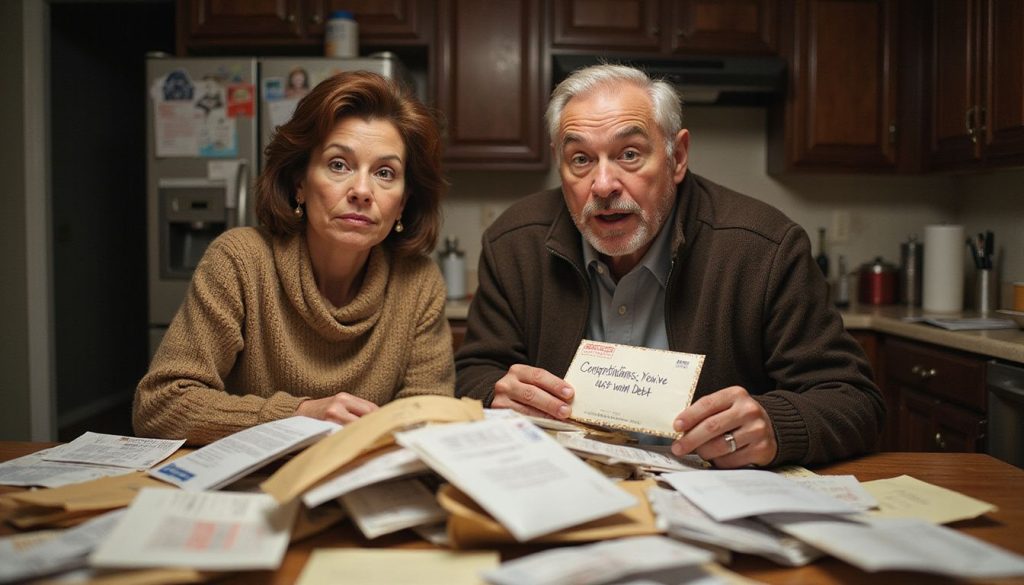
Identity thieves use personal information to commit credit fraud. They may steal your Social Security number through phishing, data breaches, or mail theft. Fraudsters use this information to open new credit cards in your name without you knowing.
You might first notice something is wrong if your credit reports show accounts you did not open or if billing statements arrive for unknown cards.
You can protect yourself with strong identity protection steps. Place a credit freeze and fraud alert on your files with all three major credit bureaus. Check your credit reports often for unfamiliar accounts or changes.
Report identity theft right away and work with victim assistance services if needed. Taking these actions helps improve financial security and stops further damage from scams and cyberattacks.
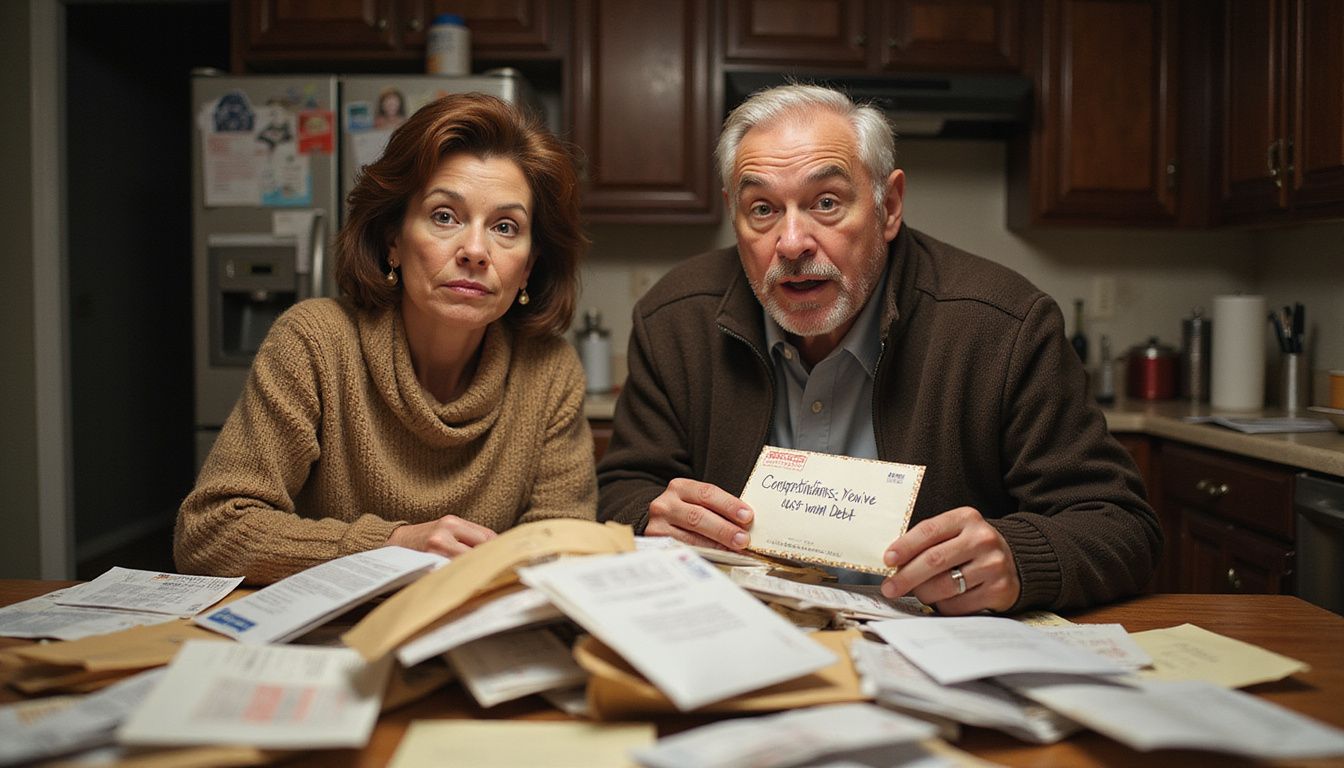
Have you ever checked your mail and found a credit card statement for an account you never opened? Or maybe a sudden drop in your credit score left you confused and worried. You’re not alone—identity theft can happen to anyone, leaving behind stress and financial trouble.
Last year, millions of Americans had their personal information stolen by scammers who used it to open new credit cards. This blog post will show you how thieves get your details, what steps they take next, and most importantly, what you can do to protect yourself. Learn simple ways to spot fraud early and keep your identity safe. Stay with us to discover how you can fight back against identity theft!
Key Takeaways
- Identity thieves can steal your personal information, like Social Security numbers, by phishing emails, data breaches, or mail theft. In 2022, more than 400,000 credit card fraud complaints were reported in the U.S.
- Thieves use your stolen data to open new credit cards in your name. They often apply online using fake details and may spend money quickly before you notice.
- Warning signs of identity theft include strange charges on your accounts, missing bills or mail, calls about unknown debts, and new accounts showing up on your credit reports.
- To protect yourself: place a credit freeze with Experian, TransUnion, and Equifax; set up fraud alerts; monitor all three of your free yearly credit reports for changes or unfamiliar activity.
- If you become a victim: act fast by contacting card issuers to report the fraud; dispute false charges; file an FTC report at IdentityTheft.gov; freeze your credit to stop more damage. Regularly check resources like AnnualCreditReport.com as part of recovery steps.
Brief overview of credit card identity theft and its growing prevalence
Credit card identity theft is a big problem today. More and more people fall victim each year. Thieves steal your personal information to open credit cards in your name. This can hurt your credit score and cause financial stress.
In 2022, over 400,000 complaints about credit card fraud were filed in the United States. It shows how common this crime has become.
You may not know you are a victim until it’s too late. Criminals use methods like phishing emails or stolen mail to get your data. Protecting yourself from these threats is crucial for preventing identity theft and ensuring good financial health.
How Identity Thieves Steal Your Information

Identity thieves use tricks like phishing emails, data breaches, and stolen mail to grab your personal details. They might pose as someone you trust to get the info they need. Stay alert for unusual activity that could hint your data is at risk.
You can learn more about protecting yourself by reading further.
Common methods: phishing, data breaches, mail theft, and social engineering
Phishing is a common way thieves steal your information. They send fake emails or messages that look real. These messages trick you into giving personal details like passwords and Social Security numbers.
Data breaches are another method. Hackers break into companies’ databases to grab your data.
Mail theft also occurs often. Thieves can take bills, bank statements, and credit card offers right from your mailbox. Social engineering is different but just as dangerous; it involves manipulating you into sharing private information over the phone or in person.
Stay alert for these tactics that lead to identity theft and affect your credit report.
Warning signs your personal data may be compromised
Unusual charges on your credit card can signal trouble. Keep an eye out for transactions you did not make. Missing bills or statements may also indicate someone has accessed your accounts.
If you receive calls about accounts or debts that are unfamiliar, it is a red flag.
You might find letters from banks saying you’ve opened new accounts when you haven’t. Check your credit report regularly for signs of fraud. These are all warning signs your personal data may be compromised and should not be ignored.
How Fraudsters Open Credit Cards Using Stolen Identities

Fraudsters use your stolen information to apply for credit cards in your name. They fill out forms online, often using fake identities. Once they get a card, they run up charges and leave you with the debt.
This can harm your credit score badly. You need to act fast if this happens to you. Read on to learn what steps to take next.
Steps thieves take to apply for and obtain credit cards in your name
Identity thieves follow a clear path to open credit cards in your name. First, they gather your personal information. This may come from phishing emails or data breaches where your details were stolen.
They might also steal mail that contains sensitive documents.
Next, they use this information to fill out credit card applications online or through the mail. Applicants need basic details like your name, address, and social security number. Once they submit the application, it often gets approved quickly if their information looks real enough.
The fraudster then receives a new credit card linked to your identity and can start spending without you knowing anything is wrong. Protecting yourself with fraud prevention methods is essential for avoiding such situations.
How stolen information is used and the impact on your credit
Thieves use your stolen information to apply for credit cards in your name. They may open accounts without your knowledge. This action can seriously damage your credit score. Late payments or high balances on these accounts hurt your financial standing.
Fraudulent activity shows up on your credit report. Lenders see this and may deny you loans or increase interest rates. To avoid these problems, monitor your credit regularly and take steps to protect yourself from identity theft.
Immediate Actions to Take If You’re a Victim

If you find yourself a victim of identity theft, act quickly. Contact your credit card issuers right away and report the fraud. Place fraud alerts on your credit reports to warn lenders about potential misuse.
You should also freeze your credit to stop any new accounts from being opened in your name. Take steps to dispute any fraudulent charges you see and keep an eye on your credit reports for changes.
There’s more to learn about protecting yourself from identity thieves, so keep reading!
Contacting card issuers and reporting the fraud
Act fast if you find fraud on your credit card. Contact your card issuer right away. Let them know that someone opened a credit card in your name without permission. They will help you stop any charges and prevent more issues.
Reporting the fraud is crucial for protecting yourself. Provide details about what happened when you call. Make sure to ask about next steps, like disputing fraudulent charges and safeguarding your account.
Stay alert and monitor your credit reports regularly to catch any new problems early.
Placing fraud alerts and freezing your credit
After contacting card issuers and reporting the fraud, you should consider placing fraud alerts on your credit file. A fraud alert tells lenders to verify your identity before opening new accounts.
This adds a layer of protection against identity thieves. You can request a fraud alert from one of the three major credit bureaus: Experian, TransUnion, or Equifax. They will inform the other two bureaus about it.
Freezing your credit is also wise. A credit freeze stops new creditors from accessing your credit report unless you lift the freeze. You need to contact each bureau separately for this action as well.
Freezing your credit helps keep thieves from opening new accounts in your name while you recover from any potential loss due to identity theft.
Disputing fraudulent accounts and monitoring credit reports
After you place fraud alerts and freeze your credit, it’s time to dispute any fraudulent accounts. Act quickly if you spot new accounts that you didn’t open. Contact the companies where the accounts are held.
Explain that someone used your name without permission. Request them to close these false accounts.
Monitoring your credit reports is vital now more than ever. Check your reports regularly for unauthorized activities or changes. You can get a free report once a year from each of the three major credit bureaus: Experian, Equifax, and TransUnion.
Keeping an eye on these reports helps catch issues early and protects against identity theft in the future.
Proactive Strategies to Prevent Credit Card Identity Theft

To keep your identity safe, use credit freezes and fraud alerts. Check your accounts often to spot any strange activity right away.
Using credit freezes and fraud alerts
Credit freezes and fraud alerts help protect you from identity theft. A credit freeze stops new lenders from seeing your credit report. This makes it hard for thieves to open accounts in your name.
You need to contact each of the three major credit bureaus, Experian, TransUnion, and Equifax, to place a freeze on your report.
Fraud alerts tell lenders that they should check your identity before giving out credit. You place these alerts with one bureau; they will inform the others. Alerts last for 90 days but can be extended if needed.
Using these tools is a smart step in keeping your information safe from thieves looking to open credit cards in your name.
Regularly monitoring your credit and accounts
Regularly checking your credit and accounts is key to preventing identity theft. You should look for any strange charges or new accounts you did not open. This simple step can help you catch issues early.
Fraudsters often act quickly, so being alert is important.
Use tools like credit monitoring services to keep track of changes in your credit report. Many banks also offer alerts if they detect unusual activity in your account. First-hand experience shows that staying informed can save you a lot of trouble later on.
Next, take immediate actions if you suspect someone has stolen your identity.
Protecting sensitive information online and offline
Protecting your sensitive information is crucial. Use strong passwords for all your accounts. Change these passwords often and avoid using the same one everywhere. Keep personal data safe by not sharing it through email or social media.
Shred documents that have your personal details before throwing them away. Store important papers in a secure place, like a locked drawer or safe. Be cautious when clicking links online; they can lead to phishing sites.
Always check if the website is secure before entering any information, especially for financial accounts.
Ongoing Protection and Recovery

Stay aware of your credit and accounts. Check your reports often to spot any strange activity.
Steps for long-term monitoring and safeguarding
Long-term monitoring helps keep your personal information safe. Check your credit reports often. You can get one free report each year from the three major credit bureaus. Look for any suspicious accounts or activity.
Safeguarding involves being careful with your details. Use strong passwords and change them regularly. Be cautious with emails and messages that ask for personal info, as they might be scams.
Using credit freezes also adds a layer of protection against identity theft. This stops anyone from opening new accounts in your name without permission.
Resources for help and how to rebuild your credit after identity theft
After identity theft, you can find help from various resources. The Federal Trade Commission (FTC) provides a lot of information on what to do next. You should file a report with them and your local police.
These steps can be key in rebuilding your credit.
You need to monitor your credit reports closely after an attack. AnnualCreditReport.com allows you to check your reports for free once a year from each major credit bureau. Look for errors or unfamiliar accounts and dispute them right away.
Use tools like fraud alerts or a credit freeze to protect yourself further. Taking these actions will help safeguard your future finances as you work through the recovery process of identity theft and improve your credit score over time.
FAQs
1. How do criminals open credit cards using stolen personal information?
Identity thieves may steal your details through weak cybersecurity practices or data leaks. They use this information to fill out credit card applications in your name.
2. What role does credit reporting play in stopping identity theft?
Credit reporting helps you spot new accounts opened without your approval. By checking your report often, you can find and report fraud early.
3. How can I protect myself from identity thieves who target my financial records?
Use strong passwords and update them often for all online accounts related to money matters. Good cybersecurity habits make it harder for criminals to access your personal data.
4. What should I do if I see a fake account on my credit report?
Contact the credit bureau right away if you notice an unknown account during a review of your credit reporting file. Report the fraud so steps can be taken to fix it quickly and prevent further harm.